Integrated Sheet Metal Fabrication: A Practical Guide for Manufacturers | Co Khi Nhat Nam
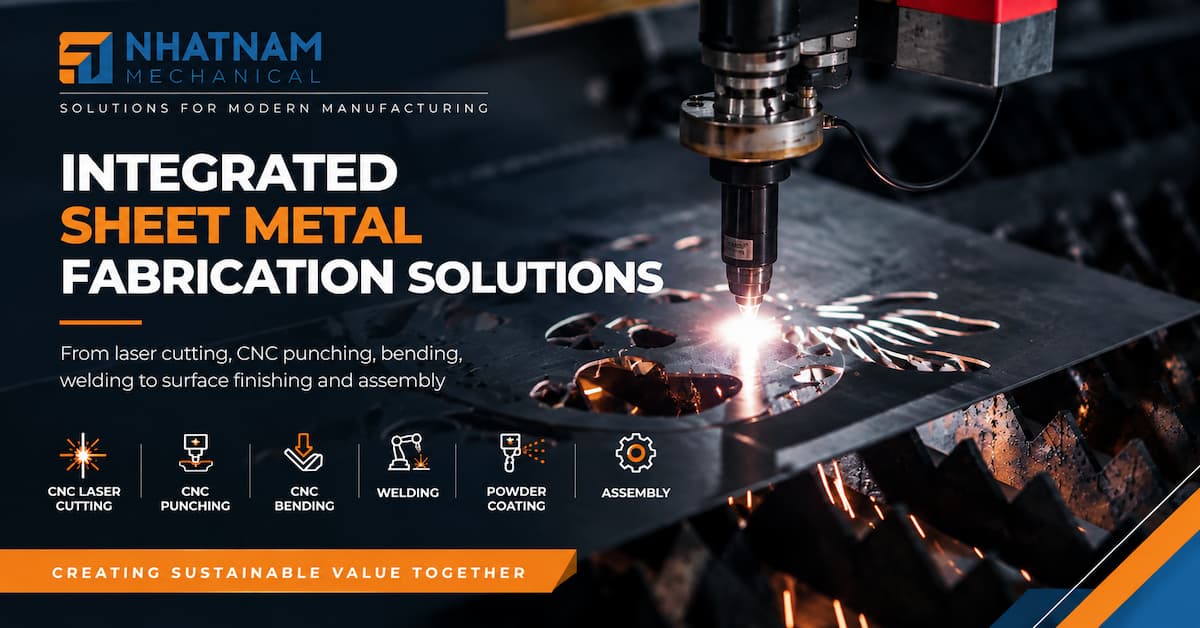
Sheet metal projects rarely depend on a single operation. A bracket may need to be cut, punched, bent, welded and inspected before it is ready for assembly. When these steps are managed separately, small differences in drawings, tolerances or schedules can create expensive rework. An integrated fabrication workflow brings the stages together so manufacturers can plan the part, choose suitable processes and review quality from start to finish.
Co Khi Nhat Nam supports sheet metal and precision-mechanical projects with a combination of modern equipment and coordinated production steps. This guide explains how an integrated approach works, where laser cutting, CNC punching, bending and robotic welding fit, and what buyers should clarify before placing an order.
What Is Integrated Sheet Metal Fabrication?
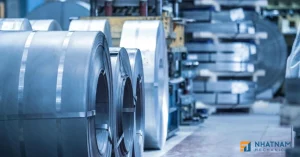
Integrated fabrication means planning and executing the operations needed to turn a drawing or specification into a usable metal component. The exact route depends on the material, thickness, geometry, quantity and finishing requirements. A simple flat panel may need cutting and punching only; an enclosure or structural assembly may also need bending, welding and surface treatment.
The practical benefit is coordination. When the same production plan covers several stages, engineers can consider bend allowances before cutting, hole positions before forming and weld access before final assembly. This does not eliminate the need for inspection, but it makes errors easier to identify early and gives the customer one coherent set of specifications and milestones.
The Main Processes in an Integrated Workflow
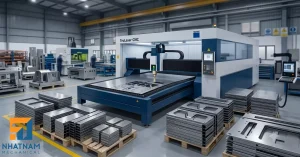
Fiber Laser Cutting
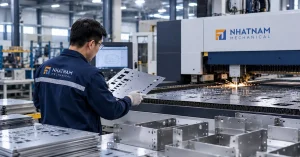
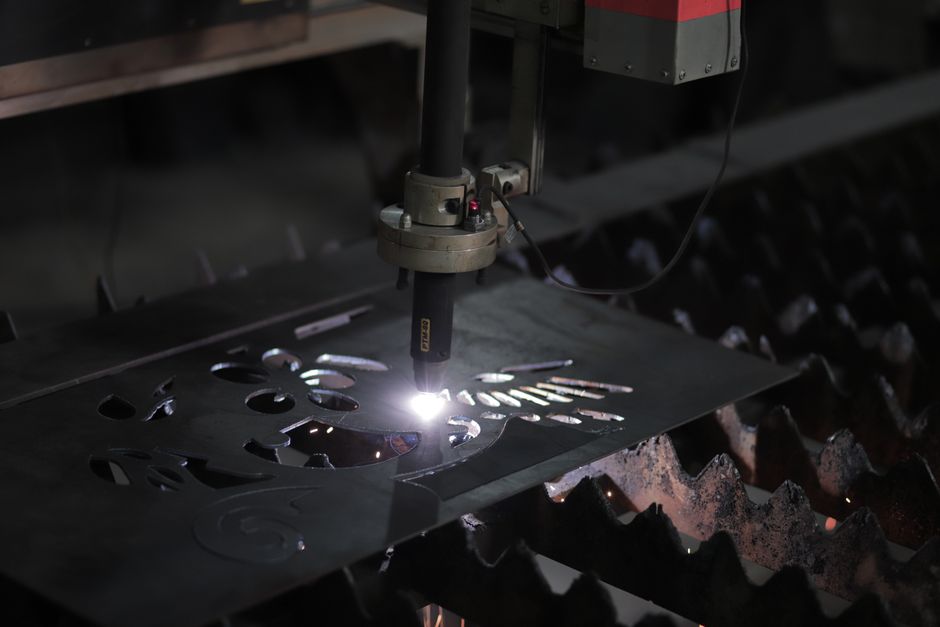
Fiber laser cutting is often the first step for flat sheet components. A focused beam follows a programmed path to cut profiles, slots and detailed shapes. It can be useful when a design contains complex contours or when repeatability matters across a batch. Cut quality depends on the material, sheet thickness, machine settings and the condition of the workpiece, so the drawing should specify any critical edges or dimensions.
Before cutting, a production team can review the nesting layout to use sheet material efficiently. It should also confirm whether a part will be bent later: a cut profile that looks correct in a flat drawing may need adjustment to achieve the intended final dimensions after forming.
CNC Punching
CNC punching uses programmed tooling to create holes, slots and other repeatable features. It is particularly useful for parts with recurring patterns or larger production runs. The choice between punching and laser cutting is not simply about speed; it also depends on hole shape, material, tooling, edge expectations and batch size. Some parts benefit from both methods in a single workflow.
For consistent results, the supplier and buyer should agree on hole diameters, edge distances and any features that will be affected by a later bend. If a panel must accept fasteners or mate with another component, these details deserve attention before production begins.
CNC Bending and Forming
Bending gives a flat blank its three-dimensional shape. A CNC press brake can help repeat programmed bend sequences, but the outcome still depends on material behavior, tooling and setup. Bend radius, angle, flange length and grain direction may all affect the finished part. Where fit is important, it is useful to identify the critical dimensions on the finished component rather than relying only on the flat pattern.
For parts with several bends, the order of operations matters. An early bend can obstruct tooling for a later one. Reviewing this sequence before the first production run helps reduce surprises and makes it easier to repeat the part consistently.
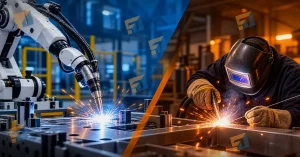
Robotic Welding
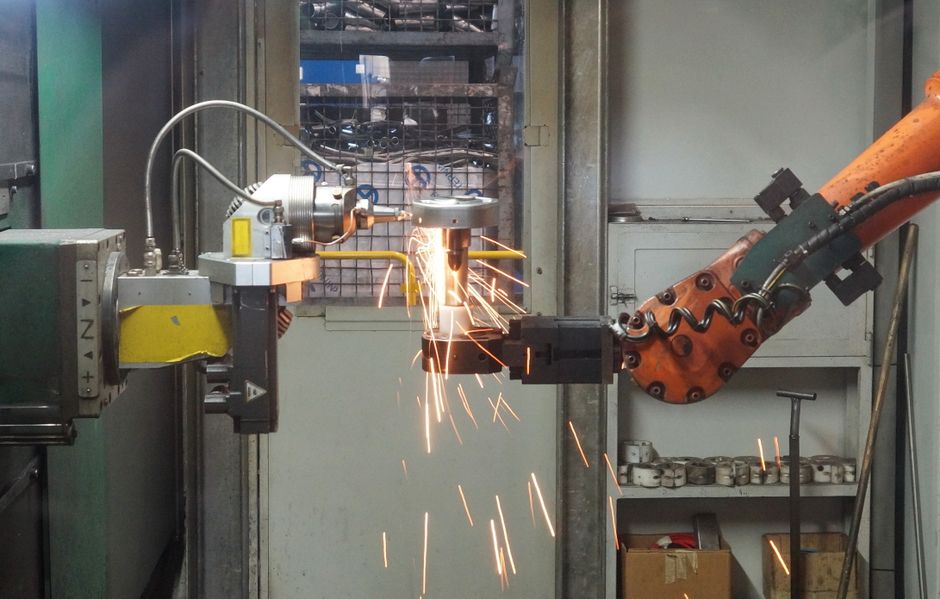
Welding joins fabricated pieces into assemblies. Robotic welding can support repeatability when the joint design, fixtures and production volume are suitable. It is not a substitute for clear specifications: material preparation, joint access, fixture design and the required weld quality should be agreed in advance. After welding, an assembly may need dimensional checks because heat can affect alignment.
A well-planned welding stage also considers what happens next. If a product will receive a coating or be assembled with other parts, weld placement and surface preparation should support those downstream steps.
Why Coordination Matters to Buyers
Working through a coordinated workflow can simplify communication. Instead of passing a drawing between several unrelated suppliers, the buyer can discuss the finished part and its intended use with one production team. This makes it easier to identify conflicts between operations, agree on inspection points and track revisions. It may also reduce handling and waiting between stages, although actual lead time and cost depend on the project.
For demanding assemblies, the most useful question is not whether a supplier owns a particular machine. It is whether the team can explain the complete process route, identify technical risks and show how it will check the dimensions that matter to your application.
Information to Prepare Before Requesting a Quote
- Drawings and revision: Provide the latest 2D drawing or 3D model and identify the approved revision.
- Material: State the grade, thickness and any required material documentation.
- Quantity: Explain whether the request is a prototype, a small batch or recurring production.
- Critical requirements: Mark important tolerances, surface finish, weld expectations and mating features.
- Delivery needs: Share the target schedule, packaging requirements and intended assembly context.
These details help the fabrication team recommend a practical combination of cutting, punching, bending and welding. They also make quotations easier to compare because each supplier is working from the same assumptions.
Quality Checks Across the Workflow
Quality should be considered at more than the final inspection stage. Incoming material can be checked against the specified grade and thickness. After cutting or punching, operators can review the profile and hole positions. Formed parts can be measured against the dimensions that matter in the assembled condition. Welded assemblies can be checked for alignment and the agreed visual or technical requirements.
The exact inspection method should match the risk of the component. A decorative cover and a precision mounting bracket may need different controls. Discuss acceptance criteria early, especially if a drawing includes tight tolerances or if several parts must fit together.
Choosing an Approach for Your Project
An effective fabrication plan starts with the finished part, not a preferred machine. Fiber laser cutting may handle a complex outline; punching may suit repeated features; bending establishes the geometry; welding creates the assembly. Some projects use only one or two of these operations. Others require additional finishing and a more detailed inspection plan.
If you are planning a sheet metal project, send Co Khi Nhat Nam your drawings, material requirements, quantities and delivery expectations. The team can review the process route and discuss an approach that fits your design and production goals.
Frequently Asked Questions
Do all sheet metal parts need every process described here?
No. The operations depend on the design. A flat panel may need only cutting and punching, while an enclosure or assembly may also require bending and welding.
What should I specify when dimensional accuracy matters?
Mark the critical dimensions and tolerances on the drawing, identify the material and explain how the part will be assembled. Agree on the inspection method before production.
Can the same workflow support prototypes and larger batches?
Often yes, but setup, tooling and inspection plans may differ. Share the expected quantity and whether future repeat orders are likely so the process can be planned accordingly.
Other posts