Avoiding Costly Mistakes: Expert Material Selection for High-Precision Sheet Metal Fabrication
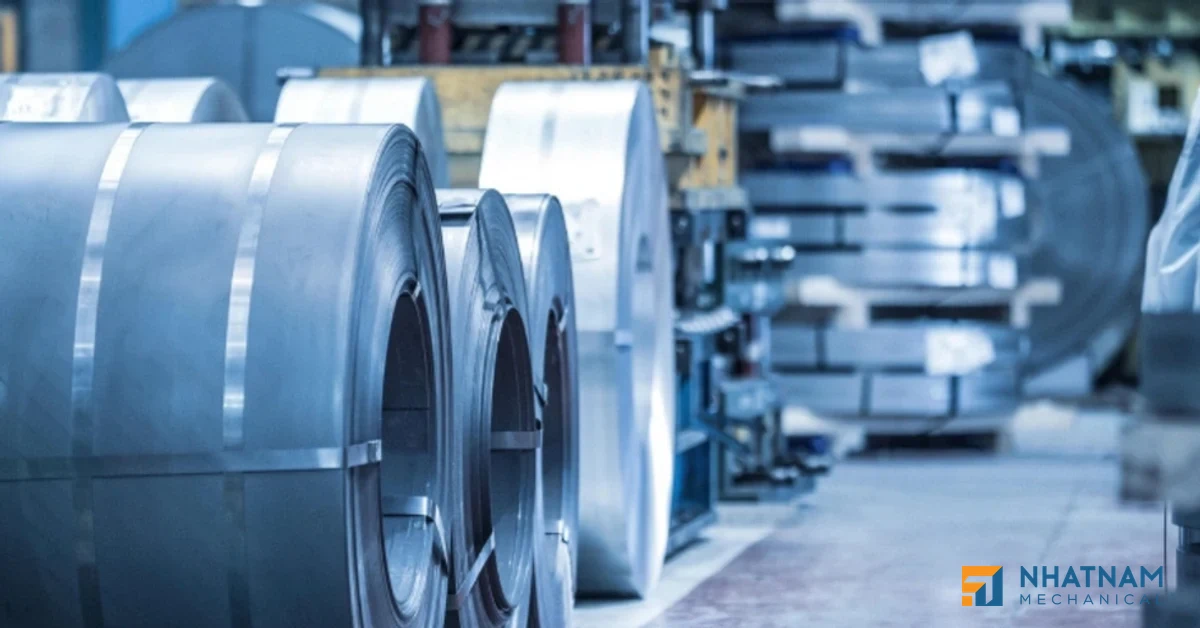
In the intricate world of high-precision sheet metal fabrication, every decision, no matter how seemingly small, carries significant weight. Among these, the choice of material stands out as a foundational element determining the success, performance, and longevity of the final product. A single misstep here can lead to increased costs, compromised quality, and project delays. At Nhat Nam Mechanical, a leading provider of high-tech sheet metal fabrication and precision engineering services in Vietnam, we understand that selecting the right material is not just a preference—it’s a critical engineering requirement.
This article delves into the common mistakes in choosing sheet metal fabrication materials and illuminates how thoughtful material selection, combined with cutting-edge technology and expert insight, can elevate your projects from good to exceptional. We’ll explore the ramifications of poor choices and demonstrate how Nhat Nam Mechanical’s deep expertise and certified quality processes ensure optimal outcomes for even the most demanding applications.
The Critical Role of Material Selection in High-Precision Sheet Metal Fabrication
The foundation of any superior sheet metal product lies in its material. For high-precision applications, where tolerances are tight and performance demands are stringent, the material’s properties directly influence everything from structural integrity and corrosion resistance to weldability and aesthetic finish. An inappropriate material choice can compromise product functionality, increase failure rates, and lead to expensive rework or recalls.
Consider the varying requirements: a component for the food processing industry demands food-grade stainless steel with specific surface finishes, while a structural part for an outdoor enclosure needs robust corrosion resistance and high strength. Aerospace components, on the other hand, might require lightweight alloys with exceptional strength-to-weight ratios and fatigue resistance. Each application dictates a unique set of material characteristics that must be meticulously matched.
Common Mistakes in Choosing Sheet Metal Fabrication Materials
Despite its critical importance, material selection is often fraught with errors. Understanding these pitfalls is the first step towards avoiding them and ensuring your project’s success. Here are some of the most common mistakes in choosing sheet metal fabrication materials:
1. Overlooking Material Properties for Application Needs
One of the most frequent errors is selecting a material without a thorough understanding of its intrinsic properties relative to the end-use environment. Factors like tensile strength, yield strength, hardness, ductility, thermal expansion, electrical conductivity, and chemical resistance are crucial. Forgetting to account for these can lead to premature failure, suboptimal performance, or even safety hazards.
- Example: Using standard carbon steel in a corrosive environment where stainless steel (e.g., 304 or 316) is necessary. While seemingly cost-effective initially, this leads to rapid degradation, costly replacements, and potential operational downtime. Conversely, over-specifying expensive exotic alloys for applications that don’t require them can unnecessarily inflate costs.
2. Ignoring Process Compatibility
Materials behave differently under various fabrication processes. A material ideal for one method might be problematic or impossible to work with using another. This is particularly relevant with advanced technologies like laser cutting, CNC punching, bending, and robotic welding.
- Laser Cutting: Highly reflective materials like copper and brass, or thick aluminum, require specialized fiber lasers with sufficient power and specific parameters. Poor material choices can result in slower cutting speeds, poor edge quality, or even damage to the equipment.
- CNC Punching: Very hard or brittle materials can cause excessive tool wear or cracking during punching. Material thickness and temper also significantly influence the success and efficiency of punching operations.
- Bending/Forming: Material ductility and springback characteristics are vital. Selecting a material with low ductility can lead to cracking during bending, while inconsistent springback makes achieving precise angles challenging.
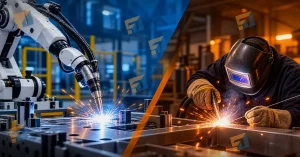
- Welding: Weldability varies greatly. Some alloys are prone to cracking, porosity, or distortion during welding, requiring specific filler materials, shielding gases, and pre/post-weld treatments. This is where advanced solutions like robotic welding shine, offering consistent, high-quality welds across a range of materials when properly configured.
3. Prioritizing Initial Cost Over Long-Term Performance and Value
The allure of lower upfront material costs can be deceptive. Cheaper materials often lead to higher processing costs (due to difficulties in fabrication), increased waste, frequent failures, and reduced product lifespan. This ‘hidden cost’ can far outweigh any initial savings. A holistic view, considering the total cost of ownership (TCO) including fabrication, performance, maintenance, and longevity, is crucial.
Investing in the correct material from the outset, even if it means a higher initial outlay, invariably pays dividends through enhanced reliability, reduced warranty claims, and greater customer satisfaction. This strategic choice aligns with the principles of optimizing CNC sheet metal fabrication design for overall efficiency and innovation.
4. Lack of Consultation with Fabrication Experts
Many clients approach fabricators with material specifications already locked in, sometimes without fully understanding the implications. Failing to leverage the material science and fabrication expertise of a specialized partner like Nhat Nam Mechanical is a significant oversight. Our engineers often identify more suitable, cost-effective, or higher-performing alternatives that clients may not have considered.
This collaborative approach is essential, especially when deciding between methods like laser cutting vs. CNC punching, where material properties greatly influence the optimal choice.
5. Underestimating Environmental and Regulatory Factors
The operating environment (temperature, humidity, chemical exposure) and specific industry regulations (e.g., FDA for food contact, REACH for hazardous substances) significantly impact material choice. Ignoring these can lead to non-compliance, legal issues, and catastrophic product failure.
For instance, medical devices require biocompatible materials, while marine applications demand materials resistant to saltwater corrosion. Adhering to standards like ISO 9001:2015, which Nhat Nam Mechanical proudly holds, ensures that material selection and processes meet rigorous quality management criteria.
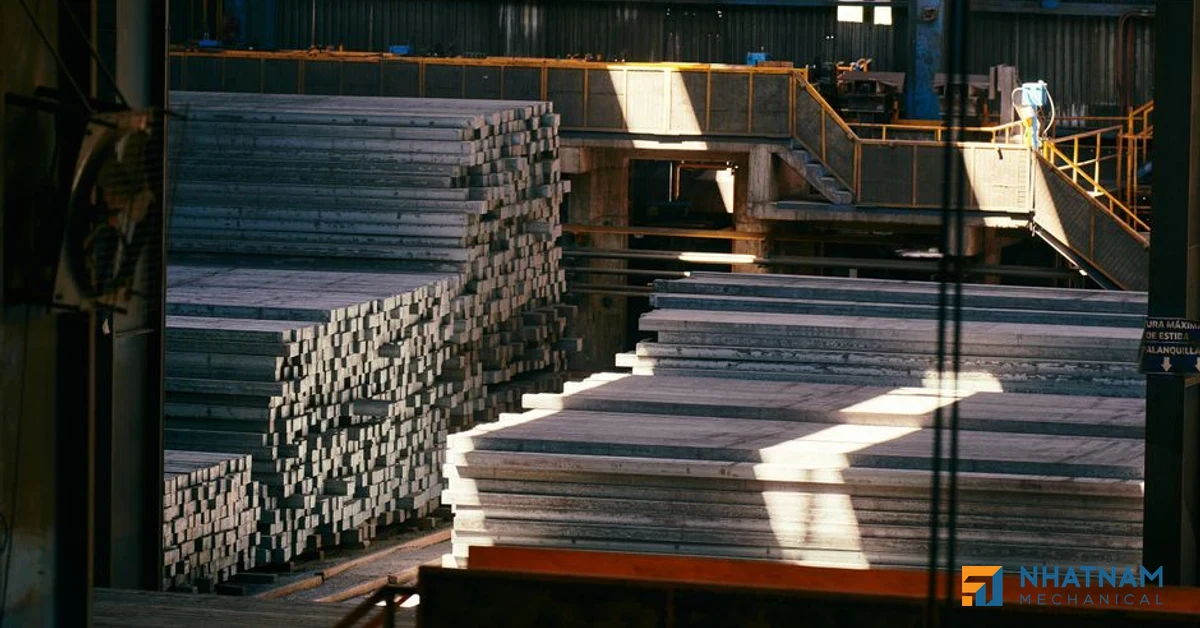
The Impact of Correct Material Selection: Benefits for Your Project
Making the right material choices, guided by expert advice and advanced understanding, unlocks a cascade of benefits for your sheet metal fabrication projects:
- Enhanced Product Performance and Reliability: Components perform as intended, with optimal strength, durability, and resistance to environmental factors, leading to longer product lifespans and fewer field failures.
- Optimized Production Efficiency and Reduced Waste: Materials compatible with advanced fabrication technologies (Fiber laser, CNC punching, robotic welding) allow for faster processing, cleaner cuts, more precise bends, and minimal material waste, thereby reducing lead times and costs.
- Cost Savings in the Long Run: By avoiding rework, warranty claims, and premature replacements, the initial investment in the correct material yields significant long-term savings and a higher return on investment.
- Compliance with Industry Standards: Ensuring materials meet specific regulatory and industry standards avoids costly penalties, facilitates certifications, and reinforces market trust.
- Improved Aesthetics and Finish: The right material choice contributes to a superior surface finish, easier post-processing, and an overall more professional and attractive final product.
How Nhat Nam Mechanical Ensures Optimal Material Selection and Fabrication Excellence
At Nhat Nam Mechanical, we don’t just fabricate; we partner with our clients to engineer success from the ground up. Our approach to material selection and high-precision fabrication is built on a foundation of expertise, advanced technology, and unwavering commitment to quality.
Expert Consultation and Material Science Knowledge
Our team of experienced engineers possesses a profound understanding of metallurgy and material science. We don’t just take orders; we engage in thorough consultations to understand your project’s specific requirements, application environment, and performance expectations. We guide you through the complexities of choosing the ideal material from a wide range, including:
- Stainless Steel: Grades 304, 316, 430, etc., selected for corrosion resistance, hygiene, and strength.
- Carbon Steel: SPCC, SS400, Q235, etc., chosen for strength, formability, and cost-effectiveness.
- Aluminum Alloys: 1050, 5052, 6061, etc., prized for lightweight, corrosion resistance, and thermal conductivity.
- Copper and Brass: For excellent electrical conductivity and aesthetic appeal.
This consultative approach helps avoid the common mistakes in choosing sheet metal fabrication materials, ensuring a tailored solution that balances performance, cost, and manufacturability.
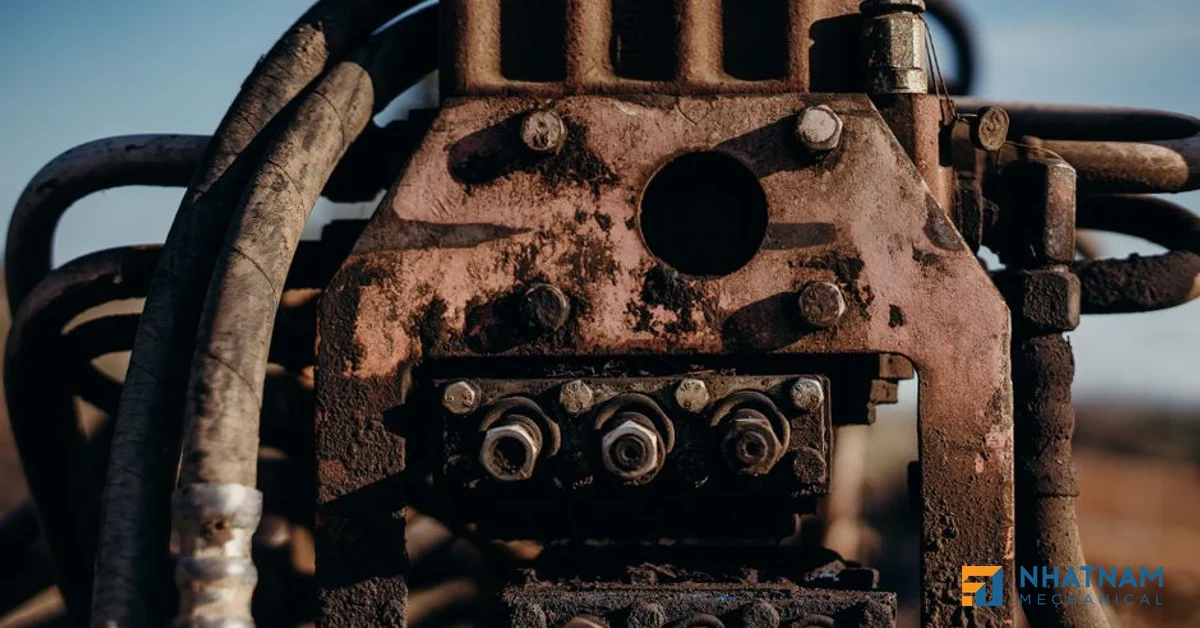
Leveraging Advanced Technology for Diverse Materials
Our state-of-the-art facility is equipped with a comprehensive suite of advanced machinery, capable of precisely processing a vast array of materials:
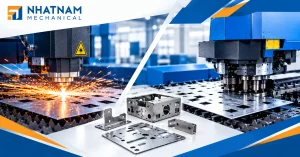
- Fiber Laser Cutting: Our high-power Fiber laser machines deliver unparalleled precision and speed, handling various metals and thicknesses with clean, accurate cuts, minimizing material distortion. This technology is particularly effective for intricate designs and tight tolerances across stainless steel, carbon steel, and aluminum.
- CNC Punching: For projects requiring high-volume production of standard shapes or specific hole patterns, our CNC punching machines offer efficiency and cost-effectiveness, handling various gauges of steel and aluminum with consistent accuracy.
- CNC Bending/Forming: Our advanced CNC press brakes ensure precise and repeatable bending, achieving complex geometries with minimal springback, crucial for tight tolerance parts.
- Robotic Welding: Our 6-axis welding robots provide superior weld quality, consistency, and speed across different material types and thicknesses. This automated process minimizes human error, reduces distortion, and ensures robust, aesthetically pleasing joints, especially critical for applications demanding high structural integrity.
This technological prowess, combined with our experience, means we can handle diverse material processing challenges, turning complex designs into reality with exceptional quality.
Quality Control and Traceability
Quality is paramount at Nhat Nam Mechanical. Our operations are certified under ISO 9001:2015, guaranteeing that every stage, from material procurement to final inspection, adheres to the highest international standards. We implement rigorous quality control measures, including material traceability, dimensional checks, and performance testing, to ensure that the chosen materials are correctly processed and the final components meet or exceed specifications.

Partner with Nhat Nam Mechanical: Your Guarantee of Precision and Performance
Choosing the right material is a cornerstone of successful sheet metal fabrication. By avoiding common mistakes and partnering with an expert fabricator, you safeguard your project against costly errors and ensure optimal outcomes.
Nhat Nam Mechanical stands as a trusted leader in high-tech sheet metal fabrication and precision mechanical services. With our extensive experience, advanced technology (Fiber laser cutting, robotic welding, CNC punching/bending), and unwavering commitment to ISO 9001:2015 certified quality, we deliver solutions that are not just fabricated, but engineered for excellence. Our dedication to precision, efficiency, and customer satisfaction makes us the ideal partner for your next demanding project.
Don’t let avoidable mistakes compromise your investment. Liên hệ Nhat Nam Mechanical để được tư vấn phù hợp với nhu cầu của bạn. Let us help you navigate the complexities of material selection and achieve unparalleled precision and performance in your sheet metal components.
Frequently Asked Questions
Why is material selection so critical in high-precision sheet metal fabrication?
Material selection is critical because it directly impacts the final product’s performance, durability, cost-effectiveness, and manufacturability. The right material ensures components meet specific application requirements, withstand operational environments, and integrate seamlessly with advanced fabrication processes like laser cutting, bending, and welding, ultimately preventing costly failures and rework.
What are the common mistakes to avoid when choosing materials for sheet metal projects?
Common mistakes include overlooking crucial material properties (strength, corrosion resistance, ductility) for the intended application, ignoring how the material behaves during specific fabrication processes (laser cutting, welding, bending), prioritizing initial low cost over long-term performance and total cost of ownership, failing to consult with expert fabricators, and neglecting environmental or regulatory compliance factors.
How does Nhat Nam Mechanical assist clients in selecting the right materials?
Nhat Nam Mechanical provides expert consultation, leveraging our deep understanding of metallurgy and material science. We analyze project requirements, application environments, and performance expectations to recommend optimal materials like various grades of stainless steel, carbon steel, aluminum, or copper. Our goal is to balance performance, cost, and manufacturability, ensuring the best outcome for your specific needs.
What technologies does Nhat Nam Mechanical use to process diverse sheet metal materials?
We utilize state-of-the-art technologies including high-power Fiber laser cutting for precision and speed, CNC punching for efficient production of standard shapes, advanced CNC bending machines for accurate forming, and 6-axis robotic welding for consistent, high-quality joints across a wide range of materials and thicknesses. These technologies ensure we can handle complex designs and diverse material characteristics effectively.
Other posts